 IA-dbc
Building Safer Operations: A New Approach to Hazard Identification
Building Safer Operations: A New Approach to Hazard Identification
In oil and gas environments, safety is not limited to written procedures or regulatory checklists. It is embedded in the way daily tasks are carried out and directly influences both operational continuity and the protection of personnel and assets. Although inspections and compliance audits remain essential, they do not always capture every potential danger. Some risks only become visible after an incident occurs. For this reason, identifying hazards requires more than documentation—it depends on a practical understanding of on-site activities and how changing conditions can affect safety in real time.
Hazard identification involves recognizing anything—whether it is a condition, substance, activity, or system—that could lead to harm. In oil and gas operations, risks emerge from a wide range of sources, including machinery, chemical processes, environmental conditions, and human involvement. Because these elements are interconnected, evaluating safety is not just about listing possible dangers. It requires examining how different operational components interact and how those interactions may introduce new risks.
The complexity of these operations adds to the challenge. Facilities often handle high-pressure systems, flammable materials, and sophisticated equipment. In such settings, minor irregularities can quickly escalate into serious incidents. What may seem insignificant at first can lead to injuries, environmental damage, operational interruptions, or regulatory consequences. Detecting hazards early not only reduces these risks but also fosters a proactive mindset focused on prevention rather than response.
Even the most carefully designed safety systems have limitations. One key issue is the overlap of multiple tasks within the same area. While individual activities may appear safe when assessed independently, their simultaneous execution can create unforeseen hazards. Interactions between equipment, personnel, and processes can introduce risks that were not anticipated during planning.
Short-term operational changes can also increase exposure to danger. Adjustments such as temporary fixes, modified procedures, or staffing changes are often treated informally and may not undergo thorough evaluation. Despite being temporary, these changes can significantly impact safety if their implications are not properly considered.
Human factors further complicate hazard management. Fatigue, long working hours, rushed handovers, and communication gaps can all reduce the effectiveness of safety practices. Unlike equipment failures, these issues are less obvious but frequently contribute to incidents. Ignoring the human dimension leaves a critical gap in overall risk control.
Aging infrastructure presents another ongoing concern. Equipment gradually deteriorates due to wear, corrosion, and material fatigue. These changes often develop slowly and may not be immediately detected during routine inspections. Without continuous monitoring, aging assets can fail unexpectedly, leading to serious safety and operational consequences.
Handling hazardous substances introduces additional risks, particularly during non-routine activities. Tasks such as maintenance cleaning, sampling, or waste handling can expose workers to higher levels of harmful materials. Because these activities occur less frequently, they may receive less attention in planning, increasing the likelihood that associated risks are underestimated.
External conditions also play a significant role in safety. Weather elements such as extreme heat, heavy rainfall, strong winds, or poor visibility can elevate the risk of otherwise routine operations. When these factors are overlooked or treated as secondary, existing safety measures may not provide adequate protection.
Confined space work demands continuous reassessment as well. Even after initial safety approvals, conditions within these spaces can change over time. Variations in ventilation or air composition may gradually create hazardous environments, including reduced oxygen levels or the presence of toxic gases. Without ongoing monitoring, workers may face risks that were not present at the start of the task.
Coordination between contractors and internal teams introduces another layer of complexity. Differences in safety practices, communication methods, and expectations can result in gaps that increase risk. Additionally, temporary setups—such as improvised electrical connections or bypassed safeguards—can introduce hazards that may go unnoticed during busy operations.
Traditional reporting methods, especially those reliant on paper-based systems, often delay the response to emerging risks. Manual processes and multiple approval stages can slow down the flow of critical information. By the time action is taken, conditions in the field may have already changed, limiting the effectiveness of corrective measures.
Digital safety solutions provide a more responsive alternative. These systems enable real-time hazard reporting directly from the field, improving communication and ensuring more consistent risk evaluation. When integrated with permits, inspections, and other workflows, they offer a clearer operational overview. This enhanced visibility supports faster decision-making and allows organizations to address risks before they escalate.
Ultimately, hazard identification in oil and gas operations goes far beyond meeting compliance requirements. It is fundamental to protecting workers, maintaining equipment integrity, and minimizing environmental impact. By remaining attentive to subtle risks and adopting systems that promote continuous awareness, organizations can build stronger, more resilient operations and sustain safer working conditions over time.
Book a Free Demo @ https://toolkitx.com/blogsdetails.aspx?title=Oil-and-Gas-Hazard-Identification:-The-10-Most-Overlooked-Risks
Catégories
Lire la suite
"Executive Summary North America Extruded Nets Market Size and Share Across Top Segments The North America extruded nets market size was valued at USD 238.47 million in 2025 and is expected to reach USD 311.61 million by 2033, at a CAGR of 3.40% during the forecast periodThe market growth is largely fuelled by the increasing adoption of extruded nets in agriculture, aquaculture, and...

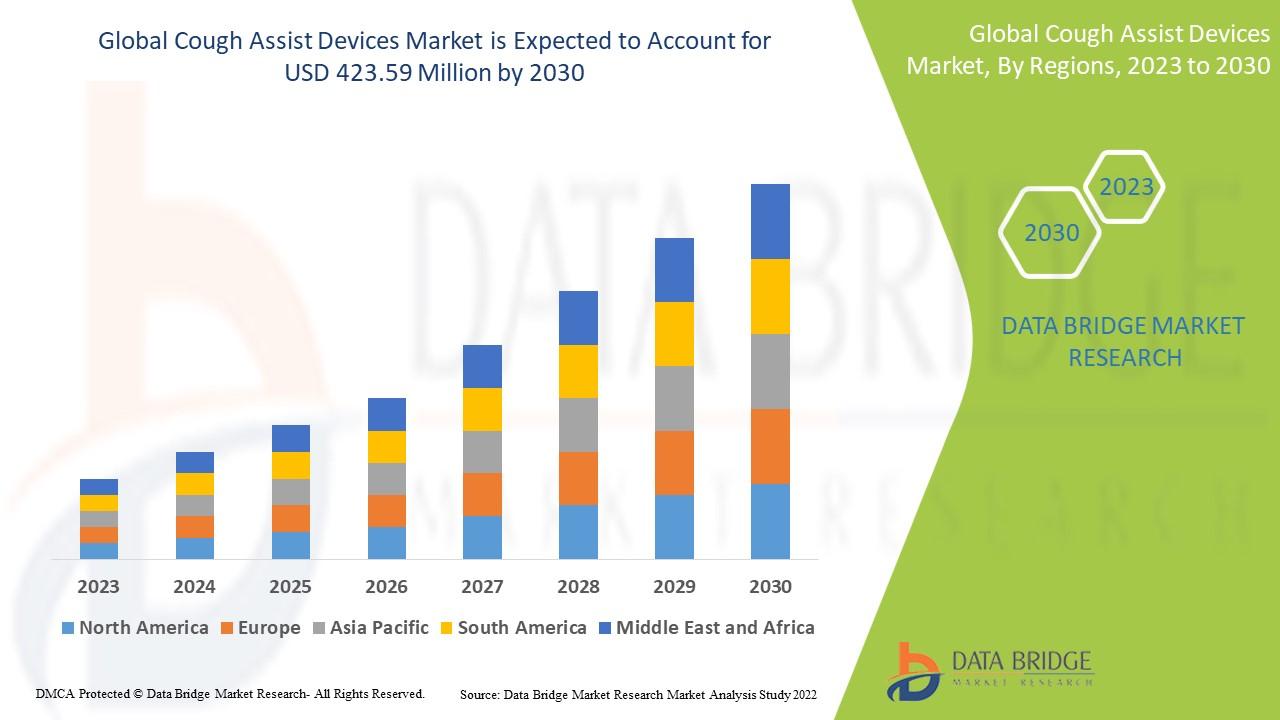
"Executive Summary Cough Assist Devices Market Research: Share and Size Intelligence Data Bridge Market Research analyses that the cough assist devices market which was USD 212.58 million in 2022, is expected to reach USD 423.59 million by 2030, at a CAGR of 9.00% during the forecast period 2023 to 2030. The all-inclusive Cough Assist Devices Market report is the best to know the...
"Oligosaccharides Market Summary: According to the latest report published by Data Bridge Market Research, the Oligosaccharides Market CAGR Value The global oligosaccharides market size was valued at USD 1.47 billion in 2025 and is expected to reach USD 2.34 billion by 2033, at a CAGR of 6.00% during the forecast period Oligosaccharides...
"Genetic Materials Market Summary: According to the latest report published by Data Bridge Market Research, the Genetic Materials Market Data Bridge Market Research analyses that the genetic materials market growing at a CAGR of 11.00% during the forecast period. The growing awareness among physicians and patients about the benefits of genetic material in the treatment of genetic...
"Executive Summary Europe Digital Health Market Size and Share Forecast The Europe Digital Health Market size was valued at USD 69.61 billion in 2024 and is projected to reach USD 304.46 billion by 2032, with a CAGR of 20.26 % during the forecast period of 2025 to 2032. This Europe Digital Health Market research report is a great resource that makes available current as well as...