 IA-dbc
Artificial Intelligence: The Silent Partner in Modern Authorship

The conversation surrounding Artificial Intelligence (AI) in the creative industries is often polarised, swinging between dystopian fear and utopian hype. However, for the pragmatic author, AI represents neither a replacement for creativity nor a magic wand. Instead, it is a powerful efficiency tool. In the labour-intensive world of book marketing, where authors are often expected to be their own copywriters, social media managers, and data analysts, AI tools offer a way to reclaim time. The strategic use of these technologies allows authors to focus on high-value connection tasks while automating the repetitive drudgery of content production.
The key to successfully integrating AI into a book launch is to view it as an assistant, not a director. It excels at generating variations, summarising data, and optimising technical elements, but it lacks the emotional nuance required for genuine storytelling. Therefore, the smart strategy involves a "centaur" approach—human creativity guided and amplified by machine speed. By delegating the initial heavy lifting of drafting and scheduling to software, authors can maintain a consistent marketing presence without burning out their creative batteries, ensuring that when they do engage with readers, they are present and authentic.
Drafting and Repurposing Social Content
One of the biggest time sinks for authors is feeding the social media beast. Writing five distinct captions for Instagram, LinkedIn, and Twitter can take hours. AI writing assistants can revolutionise this process. An author can feed a single chapter summary or a blog post into the tool and ask it to generate ten variations of social media captions, complete with relevant hashtags. The author then acts as an editor, tweaking the tone to ensure it matches their voice. This moves the author from "blank page syndrome" to "editor mode" instantly. Furthermore, AI can take a long-form interview transcript and slice it into bite-sized quotes or blog posts, maximising the value of every piece of content created.
Optimising Metadata and Blurbs
Writing a book blurb is notoriously difficult; it requires a completely different skill set than writing a novel. It is sales copy, not prose. AI tools trained on copywriting frameworks (like AIDA: Attention, Interest, Desire, Action) can generate dozens of blurb iterations in seconds. Authors can test different hooks—one focusing on the romance, one on the mystery—to see which resonates. Beyond the blurb, AI is exceptional at keyword research. It can analyse bestseller lists to identify the specific metadata tags and search terms that are currently driving traffic in a specific genre, allowing the author to update their Amazon backend with data-backed precision rather than guesswork.
Visual Asset Creation for Non-Designers
Visual marketing is non-negotiable in the era of Instagram and TikTok, but not every author can afford a graphic designer for every single post. AI image generators have opened up new possibilities for concept art and mood boards. While using AI for final book covers is still ethically debated and often legally complex regarding copyright, using it to create "vibe" images for social media, internal character references, or texture backgrounds for quote cards is a grey area that many authors are leveraging. It allows for a rapid visual iteration that helps convey the atmosphere of the book to potential readers without the steep learning curve of professional design software.
Personalisation at Scale
In email marketing, personalisation increases open rates. AI-driven email platforms can now segment audiences based on behaviour with frightening accuracy. If a reader clicked on a link about your villain in the last email, the AI can ensure the next email they receive focuses on the antagonist's backstory. This dynamic content insertion means that different segments of your mailing list receive slightly different versions of your newsletter, tailored to their specific interests. This level of personalisation used to require a team of marketers; now, it can be set up as an automated workflow, deepening the relationship with the reader by serving them exactly what they want to read.
Conclusion
AI is reshaping the landscape of promotion by lowering the barrier to entry for high-quality, high-volume content. By embracing these tools as administrative assistants, authors can free themselves from the grind of marketing logistics and spend more time doing what only a human can do: connecting emotionally with their readers.
Call to Action
If you want to modernise your strategy and leverage the latest tools to streamline your launch, contact our digital team today.
Visit: https://www.smithpublicity.com/
Categorias
Leia mais
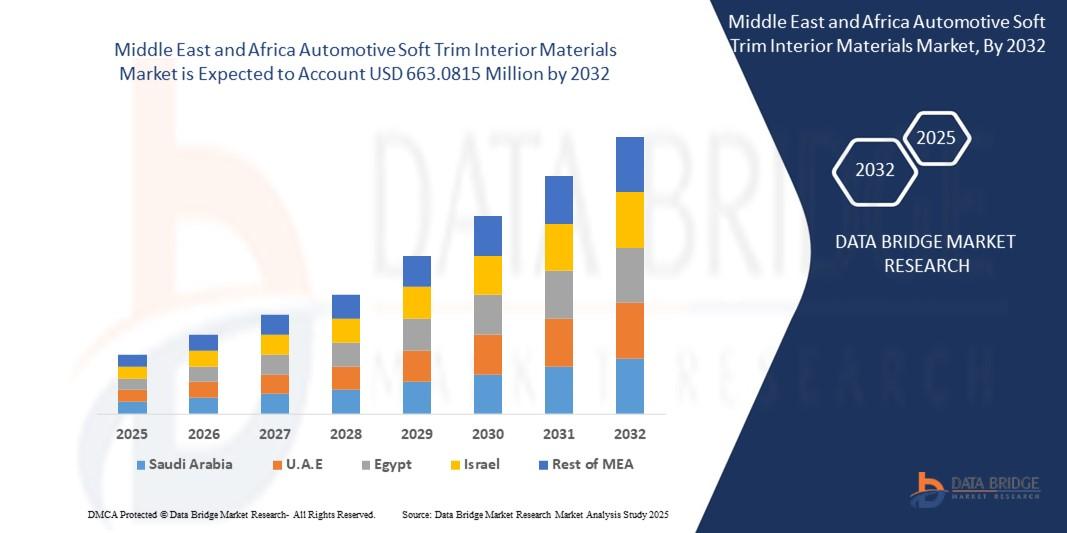
"Middle East and Africa Automotive Soft Trim Interior Materials Market Summary: According to the latest report published by Data Bridge Market Research, the Middle East and Africa Automotive Soft Trim Interior Materials Market The Middle East and Africa automotive soft trim interior materials market size was valued at USD 473.47 million in 2024 and is projected to reach USD...
"Market Trends Shaping Executive Summary Germany Running Footwear Market Size and Share The running footwear is essential as footwear has become a necessity for humans. The demand for footwear may fluctuate little, but it will never get over. Data Bridge Market Research analyses that the running footwear market will grow at a CAGR of 6.1% during the forecast period of 2022 to 2029....

"Future of Executive Summary Medical Device Testing Market: Size and Share Dynamics This Medical Device Testing Market research report serves the determination of businesses to make enhanced decisions, deal with Market of goods or services, and achieve better profitability by prioritizing market goals. Keeping in mind the customer requirement, this finest market research report is...
"Executive Summary Mosquito Repellent Candle Market Market Size and Share Across Top Segments The mosquito repellent candle market is expected to be growing at a growth rate of 6.60% in the forecast period of 2022 to 2029. Analysis and discussion of important industry trends, market size, and market share are estimated in the Mosquito Repellent Candle Market report. This market...
Why Workplace Safety Is Now the Backbone of Operational Success By 2026, workplace safety has moved far beyond being just a compliance requirement. It now stands as a critical pillar supporting operational continuity. Businesses increasingly understand that effective safety practices are not separate from performance—they are deeply connected to it. While fines and legal...