 IA-dbc
Understanding Decimal Odds Like a Pro

If you’ve ever looked at betting odds and felt a bit confused — you’re not alone. Decimal odds look simple at first glance… just numbers like 1.80 or 2.50. But what do they actually mean? And more importantly, how do you use them properly?
Let’s break it down in a way that actually makes sense in real life, not just theory.
What Are Decimal Odds, Really?
Decimal odds are basically a straightforward way to show how much you’ll get back from a bet — including your original stake.
So if the odds are 2.00, it means you double your money.
Simple enough, right?
You just multiply your stake by the odds.
For example:
If you bet ₹100 at odds of 2.00, you’ll get ₹200 total back (₹100 profit + ₹100 stake).
Sounds easy… but here’s the thing — most people stop here and miss the deeper understanding.
Why Decimal Odds Are Actually Beginner-Friendly
Compared to fractional odds (like 5/1) or American odds (+200), decimal odds are much more intuitive.
You don’t need to calculate profit separately. It’s all included.
That’s why many online platforms — including sites like fairplaypro.com.co — use decimal odds as the default format. It keeps things cleaner, especially for new users who just want to place a bet without doing mental gymnastics.
But don’t assume “easy to read” means “easy to master.” Not always though.
The Hidden Meaning: Probability Behind the Numbers
This is where things get interesting.
Decimal odds also reflect the probability of an outcome — just in a slightly hidden way.
You can calculate implied probability using this formula:
Probability (%) = 100 ÷ Decimal Odds
Let’s try a quick example:
-
Odds: 2.00 → 100 ÷ 2.00 = 50% chance
-
Odds: 1.50 → about 66.6% chance
-
Odds: 3.00 → around 33.3% chance
You might have noticed this — lower odds usually mean higher probability.
But wait… bookmakers also include their margin. So the real probability might be slightly different.
It sounds simple… but it’s not really that simple when you look closely.
Reading Odds Like Someone Experienced
After a while, you stop seeing decimal odds as just numbers.
You start reading them like signals.
For example:
Odds around 1.20–1.40 usually mean a strong favorite
Odds around 1.80–2.20 suggest a close match
Odds above 3.00 often indicate an underdog
But here’s a small reality check — favorites don’t always win.
And underdogs? Sometimes they surprise everyone.
That’s why experienced bettors don’t just look at the odds. They think about why the odds are set that way.
Quick Mental Calculations (Without Overthinking)
You don’t always need a calculator.
Most regular bettors get used to quick estimation.
If odds are around 2.50, just think:
“Okay, roughly 2.5x return.”
So ₹200 becomes about ₹500.
Done.
For smaller odds like 1.30, the profit is obviously lower — around 30% gain. Nothing fancy, but safer (at least on paper).
But again… safer doesn’t mean guaranteed.
A Slight Reality Check People Ignore
Here’s something people don’t always talk about.
Even if you understand decimal odds perfectly, that alone won’t make you profitable.
Yeah… a bit uncomfortable, but true.
Odds reflect probability, not certainty. And sometimes, they’re influenced by market behavior — where people are placing money — not just pure logic.
You might think a team “should” win based on odds… but matches don’t follow math formulas.
This is where many beginners get stuck.
Common Mistakes Beginners Make
One thing I’ve seen quite often — people chasing higher odds just because the payout looks attractive.
Like picking odds of 5.00 thinking, “big win coming.”
But higher odds mean lower probability. That’s the trade-off.
Another mistake? Ignoring value.
Sometimes odds look low, but still offer good value based on real chances. And sometimes high odds are just traps.
Understanding this difference takes a bit of time. You won’t get it instantly.
Responsible Approach (This Part Matters More Than You Think)
Betting can be fun, no doubt.
But it’s very easy to go overboard without realizing it.
Set a budget before you start. Stick to it.
Use strong passwords and keep your account secure.
Don’t chase losses — that usually makes things worse.
And honestly, take breaks.
Even experienced users step back sometimes. It helps clear your thinking.
Final Thoughts
Decimal odds are probably the easiest format to understand — but mastering them is a different story.
Once you start connecting odds with probability, risk, and real match situations, things become clearer.
Not perfect… but clearer.
Κατηγορίες
Διαβάζω περισσότερα
Understanding What “Processing Speed” Really Means in UK Visa Applications When applicants ask how quickly a UK visa consultant in Lahore can process an application, they are often assuming that speed is entirely within the consultant’s control. In practice, processing time is a combination of professional preparation, applicant readiness, and UK Visas and Immigration (UKVI)...

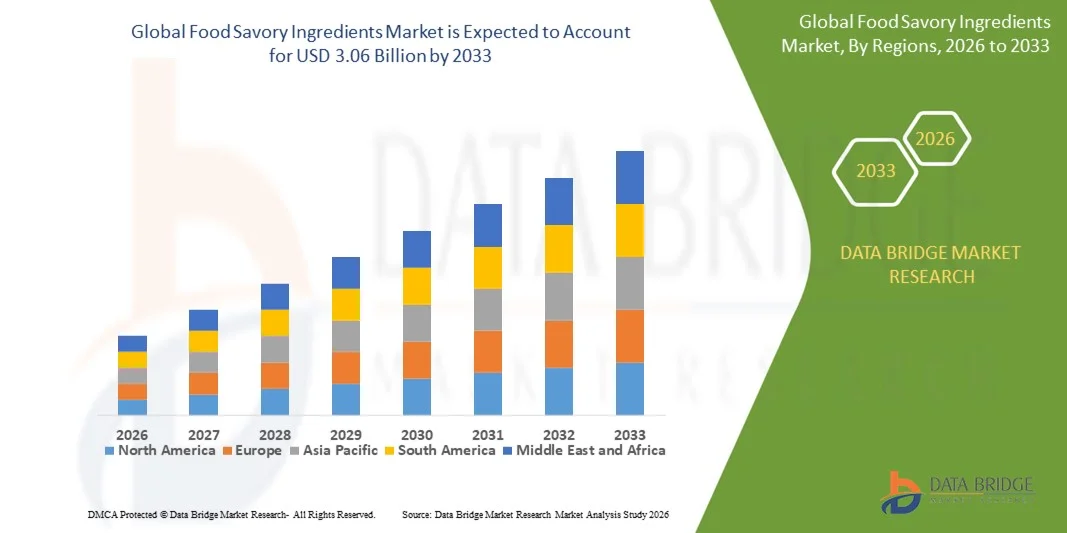
"Comprehensive Outlook on Executive Summary Food Savory Ingredients Market Market Size and Share The global food savory ingredients market size was valued at USD 1.96 billion in 2025 and is expected to reach USD 3.06 billion by 2033, at a CAGR of 5.70% during the forecast period For powerful business growth, companies must take up market research...
"Executive Summary Europe Preclinical Imaging Market Size and Share: Global Industry Snapshot The Europe preclinical imaging market size was valued at USD 483.94 million in 2024 and is expected to reach USD 765.53 million by 2032, at a CAGR of 5.90% during the forecast periodThe market growth is largely fueled by the increasing adoption of advanced imaging technologies in drug...

"Executive Summary Plastic Drums Market Market: Share, Size & Strategic Insights The global plastic drums market size was valued at USD 3.24 billion in 2024 and is expected to reach USD 5.95 billion by 2032, at a CAGR of 7.9% during the forecast periodThe Market growth is driven by increasing demand for cost-effective, durable, and lightweight packaging solutions across industries such...
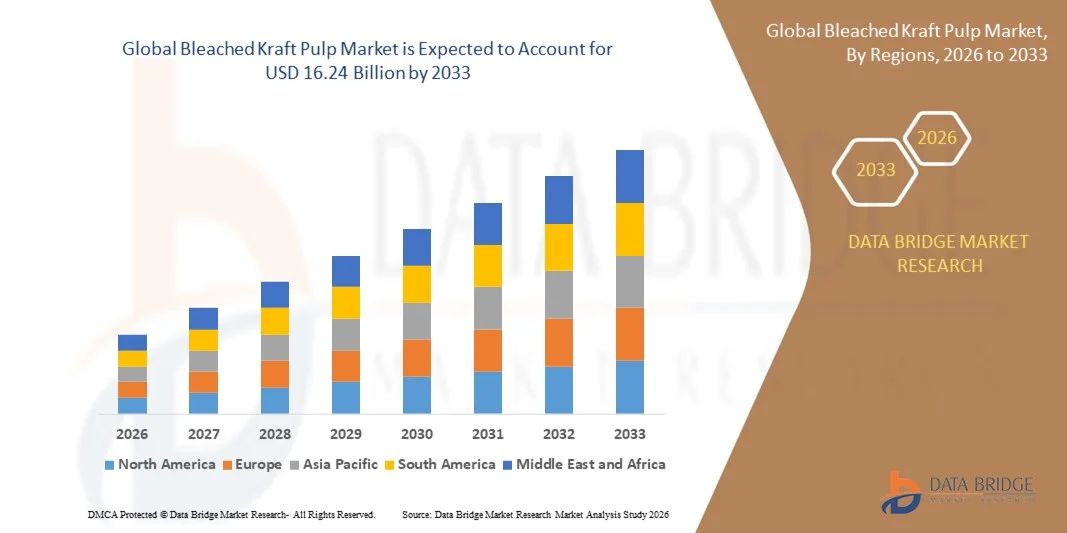
In-Depth Study on Executive Summary Bleached Kraft Pulp Market Size and Share The global bleached kraft pulp market size was valued at USD 12.43 billion in 2025 and is expected to reach USD 16.24 billion by 2033, at a CAGR of 3.40% during the forecast period. Trustworthy sources such as websites, journals, mergers, newspapers and other authentic sources...