 IA-dbc
Top 5 Presentation Ideas That Enhance Takeout Food Appeal
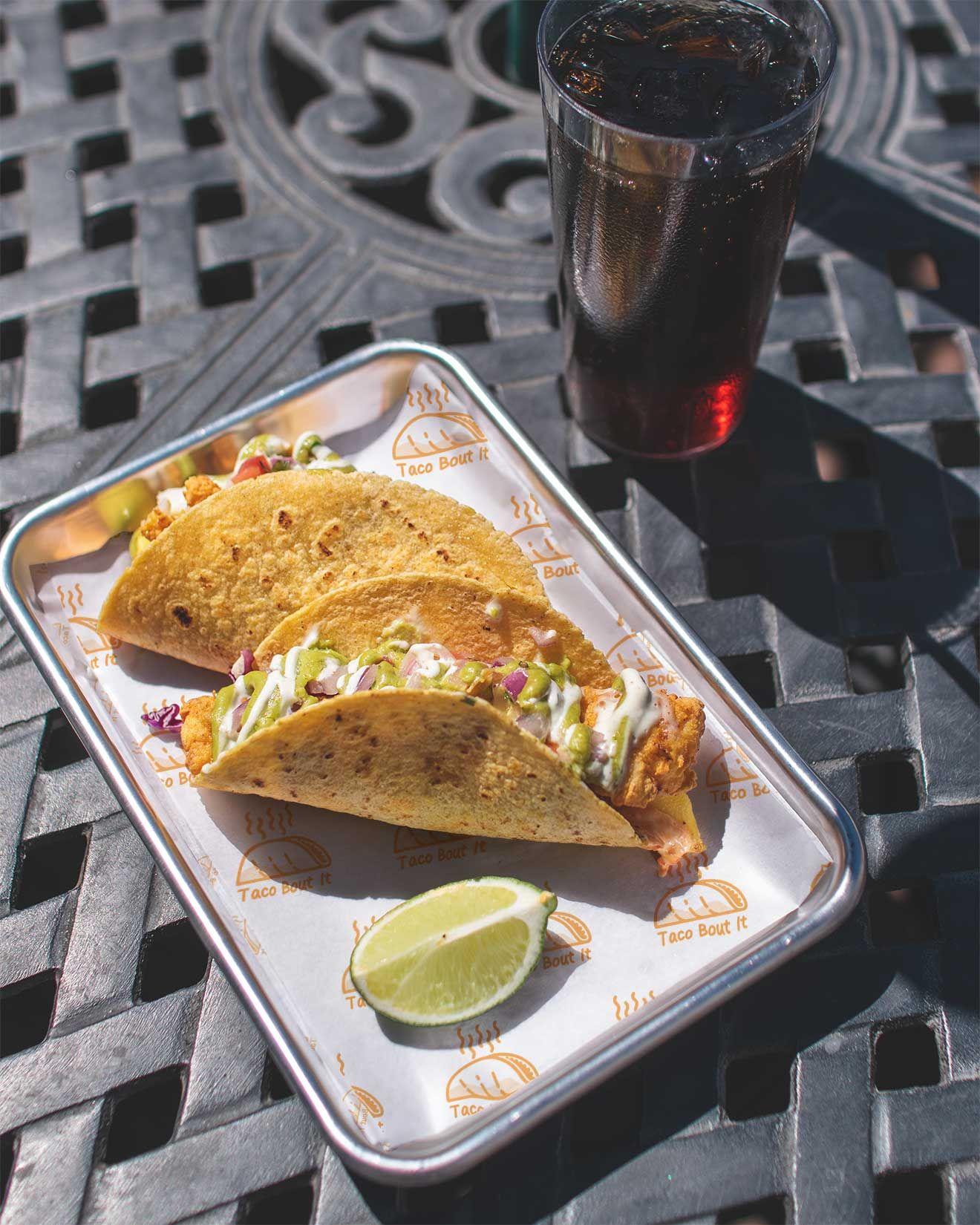
Takeout food is more than convenience; customers notice the order and arrangement when they open their food. Food arranged with attention feels prepared, while messy food suggests carelessness. Presentation shapes expectation and first impression. For example, a sandwich carefully wrapped and separated from the sauce sets a positive tone. Basket liners for food help keep food clean and prevent spilling. Liners also create a clear separation between items and surfaces, which adds order to the presentation. Customers notice this separation and feel food is more manageable.
Why Does Wrapping Influence Customer Satisfaction?
Wrapping affects both handling and perception of food. Loose wrapping can cause spills, crush ingredients, or mix flavors, leading to dissatisfaction. Proper wrapping keeps food together, preserves temperature, and provides customers control over how food is consumed. Wrapping also prevents sauces and toppings from spreading, helping maintain intended flavors.
Using custom wrapping paper makes wrapping practical, separating items while maintaining order. Paper protects food and allows easy handling. Customers judge food not only by taste but also by arrival condition. Clean, secure wrapping communicates care and attention, enhancing overall satisfaction. Consistent wrapping across orders builds trust and encourages repeat business. Wrapping decisions also affect convenience, as food is easier to handle and reduces frustration. Restaurants that focus on secure and organized wrapping improve overall customer experience.
How Do Colors Play in Food Presentation?
Colors influence perception before tasting. The arrangement of contrasting colors in food makes items more noticeable and helps distinguish flavors. Using natural colors from vegetables, sauces, or toppings creates clear separation and order. Wrapping materials also affect color perception; plain paper keeps focus on food, while patterned paper can distract.
Customers respond to food with visually organized colors by seeing it as prepared carefully. Color also signals freshness and variety. Arranging ingredients to highlight differences enhances appeal and clarity, creating anticipation. Customers often share food that appears organized and distinct, providing exposure without effort. Even simple food feels more structured when colors are placed thoughtfully. Color is part of food communication, guiding attention and expectation naturally.
How Can Texture in Wrapping Improve Food Handling?
Texture affects how food is perceived and handled. Paper with surface grip keeps items from moving. Slightly rough or structured paper allows fries, sandwiches, or fried snacks to stay in place. Smooth paper feels clean but may allow slippage. Functional texture helps prevent accidents during transport. Customers notice that food is easier to handle and less messy when the surface supports stability.
WaxPapersHub offers materials that balance grip and flexibility, ensuring separation and easier handling. Textured surfaces also prevent sticking and absorption of moisture, which keeps food manageable. Wrapping with attention to texture adds both practicality and perception of preparation. Customers often find food easier to eat and carry when the texture provides subtle support. Small choices in texture improve overall experience without extra effort.
Why Is Cleanliness Important in Takeout Presentation?
Cleanliness communicates care and preparation. Wrapping with wrinkles, oil stains, or spills creates the impression of rushed handling. Customers often equate cleanliness with safety and attention. Custom wrapping paper helps maintain cleanliness by separating food from surfaces and preventing oils or crumbs from reaching other items. Clean wrapping allows customers to start eating food immediately without concerns.
Separating sauces, folding paper properly, and organizing items reduces mess and improves convenience. Clean presentation also supports consistency across orders, reinforcing trust in quality. Customers notice when food arrives in manageable, clean condition, and repeat orders increase with such attention. Clean wrapping supports practical handling while improving perception of preparation.
How Can Portioning Affect Takeout Appearance?
Portioning ensures food appears organized and balanced. Uneven portions can cause spills, mixing of flavors, and difficulty handling. Equal portions help preserve order and make wrapping simpler. Portioned food allows proper separation of sauces and items, maintaining intended taste in each bite.
Using custom food paper helps the separation of individual components, preventing blending or sogginess. Customers perceive fairness in portion sizes and find food easier to handle. Proper portioning reduces waste and provides control during eating. Portioning also ensures uniform experience across multiple orders, helping build trust in food quality. Organized portions contribute to structured presentation and smooth handling for customers.
Why Does Layering Ingredients Matter?
Layering ingredients keeps structure intact. Stacking sandwiches, fries, or wraps carefully prevents delicate items from being crushed. Layering separates sauces, toppings, and different textures, preserving taste. Opening layered food shows organization and care. Proper stacking prevents mixing and ensures items arrive as intended.
Layering also helps maintain temperature differences between items. Customers notice food that maintains its intended form and separation, creating a more satisfying experience. Layering is a practical step that improves handling, taste, and visual order. Food with controlled layering communicates effort without requiring elaborate steps, supporting positive customer perception.
How Does Aroma Control Improve Takeout Experience?
Smell contributes to perceived flavor. Wrapping that allows aroma to escape without moisture mixing improves arrival experience. Foods such as fried items, sandwiches, or grilled food release scents that guide anticipation. Papers that retain aroma while preventing leakage improve satisfaction.
Custom wrapping paper helps separate items that could mix and reduce odors spreading unintentionally. Proper control of aroma allows customers to sense freshness immediately and enhances flavor perception. Smell also signals preparation quality. Managing aroma through careful wrapping and separation ensures food remains enjoyable from the first bite, improving overall experience.
What Impact Do Fold Techniques Have on Food Presentation?
Folds secure food and maintain shape. Overlapping corners, tight edges, and folding paper around items prevent shifting or spilling. Certain folds allow steam to escape, maintaining textures for items prone to moisture. Customers find food easier to handle when folds prevent mess. Proper folding also separates sauces and toppings, maintaining taste integrity. Fold techniques support practical handling, preserving presentation from kitchen to table. Food that stays organized during transport reduces frustration for customers. Fold decisions improve handling, convenience, and overall satisfaction without extra complexity.
Why Is Consistency Important in Takeout Presentation?
Consistency ensures food looks uniform across orders. Customers expect food to be predictable in appearance and handling. Variations in wrapping or arrangement create the impression of carelessness. Standard wrapping and separation methods preserve a stylish experience. Using custom wrapping paper helps maintain separation and reliable presentation. Customers notice consistent food, which supports trust and increases satisfaction. Predictable presentation simplifies handling and prevents unexpected spills. Consistency strengthens perception of preparation and encourages repeat orders, reinforcing overall confidence in service.
How Can Accessories Improve Takeout Food Appeal?
Accessories help separate, organize, and maintain order. Custom wrapping paper provides clean separation and improves handling. Sheets, dividers, and liners allow sauces to stay contained and prevent items from mixing. Accessories simplify eating and reduce mess. Customers appreciate thoughtful separation, which makes food easier to manage. Restaurants benefit by reducing spills and improving the experience without changing preparation time. Small accessories create a sense of order and make food feel prepared for convenience. Accessories contribute to structure, making food practical and appealing for customers.
How Can Small Details Make Food More Appealing?
Edges, folds, liners, and separators influence food experience. Small adjustments create easier handling. Customers notice care in preparation. Using WaxPapersHub products improves organization and separation, allowing food to remain intact during transport. Minor improvements like clean folds, lined baskets, and separate sauces signal attention to handling. Such details create satisfaction and encourage repeat orders. Focusing on small steps in wrapping improves overall experience and strengthens customer perception of service. Attention to these details ensures food arrives orderly, manageable, and ready for consumption.
Categories
Read More
Understanding the Causes of Dark Circles Before exploring lifestyle adjustments, it’s important to understand why dark circles occur. These discolorations can result from a variety of factors, including genetics, aging, insufficient sleep, dehydration, and poor diet. Allergies and excessive sun exposure can also contribute to the development of darker under-eye skin. Identifying the root...

Hydraulic gear pump power take-offs (PTO) like the PTO-P4 are integral components in various heavy-duty applications, providing reliable hydraulic power from an engine's powertrain. However, users often have concerns about the cost-effectiveness of the PTO-P4, especially regarding its purchase price, maintenance, and overall operational efficiency. Initial Cost vs. Long-Term Savings One of...

"Executive Summary Potassium Nitrate Market Market Size and Share Analysis Report CAGR Value The global potassium nitrate market was valued at USD 5.70 billion in 2024 and is expected to reach USD 7.45 billion by 2032 During the forecast period of 2025 to 2032 the market is likely to grow at a CAGR of 3.40%, primarily driven by the increasing demand in agriculture and food...

Simplifying High-Risk Operations Through Digital Permit Management Sectors like energy, construction, utilities, and offshore operations operate in conditions where risk is unavoidable. Daily tasks often involve heavy equipment, hazardous substances, and multiple crews working within shared spaces. In such environments, success depends not only on the nature of the work but also on how...
"Executive Summary Natural Antioxidants Market Market Size and Share Across Top Segments CAGR Value Global Natural Antioxidants Market was valued at USD 1.02 billion in 2021 and is expected to reach USD 1.76 billion by 2029, registering a CAGR of 6.95% during the forecast period of 2022-2029. By utilizing few steps or a number of steps, the process of formulating this Natural...