 IA-dbc
Key Parts of a Motorcycle Rim and Wheel System
A motorcycle rim assembly is a critical component of a motorcycle's wheel system, providing structural support for the tire and ensuring safe handling, stability, and performance. Understanding the components of a rim assembly is essential for maintenance, repair, and customization of motorcycles.
The rim itself is the central component of the assembly. It is the circular metal structure that holds the tire in place and maintains its shape under load. Motorcycle rims are commonly made from aluminum alloys, steel, or magnesium, chosen for their combination of strength, durability, and lightweight properties. The rim's width and diameter must match the tire size for proper fit and performance.
The spokes or wheel hubs are integral to the rim assembly. On spoked wheels, metal spokes connect the rim to the hub, distributing weight and absorbing shocks from road surfaces. In cast or alloy wheels, the hub is directly integrated with the rim. The hub houses the axle mountings and often contains the bearing seats that allow the wheel to rotate smoothly.
Wheel bearings are another crucial component. These precision-engineered parts reduce friction between the wheel and the axle, ensuring smooth rotation and stability. Bearings must be properly lubricated and maintained to prevent wear and ensure safe riding.
For motorcycles with braking systems, the brake disc (rotor) is typically attached to the rim assembly or hub. It provides a surface for the brake caliper to clamp, allowing effective braking. Some assemblies may also include spacers, valve stems, and protective seals, which help maintain tire inflation, alignment, and protection against dust or moisture.
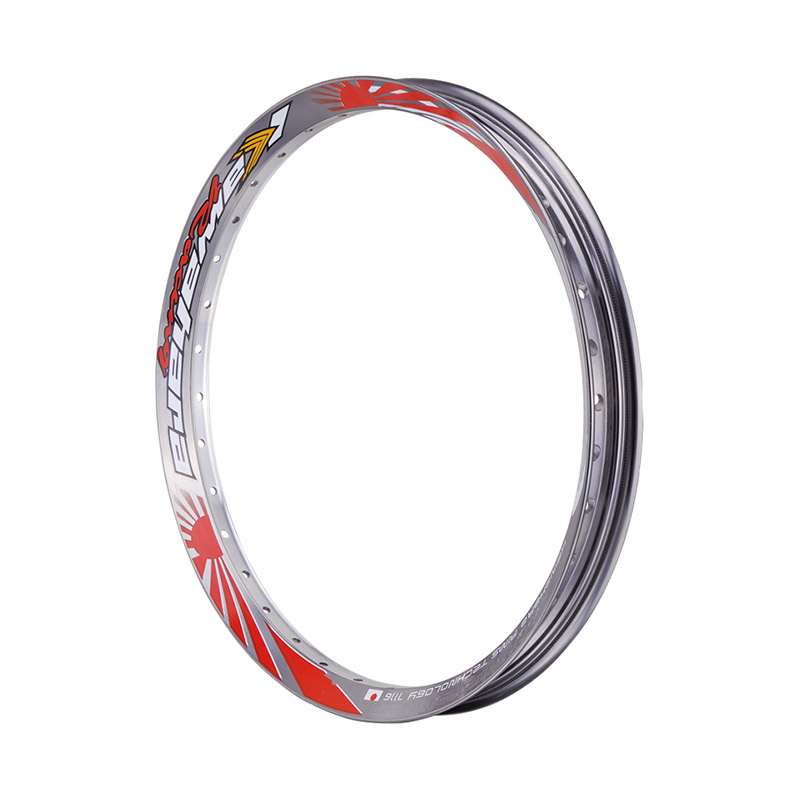
https://www.jhrims.com/product/aluminum-alloy-rim-v/v1-40.html
• T6 Solution Heat Treatment:
› 535°C solution treatment + 175°C artificial aging
› Achieves 15-20% hardness enhancement (Rockwell B scale)
• Triple-Stage Anodization:
1. 18μm hardcoat anodizing (MIL-A-8625 Type III)
2. Electrolytic coloration (RAL/Pantone color matching)
3. Nano-ceramic sealing (5μm thickness, >500h salt spray resistance)
Категории
Больше
Executive Summary: Bluetooth Smart And Smart Ready Market Size and Share by Application & Industry The global Bluetooth smart and smart ready market size was valued at USD 5.12 billion in 2024 and is expected to reach USD 12.34 billion by 2032, at a CAGR of 11.6% during the forecast period. In the leading Bluetooth Smart And Smart Ready Market...

Executive Summary Wood Plastic Composite Market Market: Growth Trends and Share Breakdown CAGR Value The global wood plastic composite market size was valued at USD 8.19 billion in 2024 and is projected to reach USD 20.20 billion by 2032, with a CAGR of 11.95% during the forecast period of 2025 to 2032. This Wood Plastic Composite Market Market research report conducts a methodical and...
"Executive Summary Leather Handbags Market: Share, Size & Strategic Insights CAGR Value The global leather handbags market size was valued at USD 2.61 million in 2024 and is expected to reach USD 3.89 million by 2032, at a CAGR of 5.10% during the forecast period Leather Handbags Market research report works best for the systematic gathering, recording...
The True Price of Ignoring Safety in High-Performance Operations Treating safety as a mere documentation exercise is more than outdated—it silently erodes business value. While penalties and fines are the most visible consequences, they rarely represent the largest expense. The deeper impact shows up in slower production cycles, additional recovery shifts, rework, rising insurance...
Sports adhesive tapes are widely used by athletes and physiotherapists to support joints, prevent injuries, and stabilize muscles during physical activity. Their effectiveness comes from a combination of materials and components that provide elasticity, adhesion, and durability. Understanding the main components of sports adhesive tapes helps in selecting the right tape for specific...