 IA-dbc
How I Discovered That Stadium Atmosphere and Side Selection Quietly Change the Game

I used to think the game began and ended with what players did on the field. Movement, skill, decisions—that was everything to me.
I missed something important.
Something always felt off.
Sometimes a team would look sharp one moment and strangely unsettled the next. I couldn’t explain it. The players hadn’t changed, but their performance had.
That’s when I started looking beyond the obvious.
I Noticed the Atmosphere Before the Game Even Started
The first shift came when I began paying attention before kickoff. Not the warmups, but the environment itself.
The air felt different.
It wasn’t just noise.
Crowds didn’t just react—they set a tone. Some environments felt tense, others almost relaxed. I realized players were stepping into that atmosphere before they even touched the ball.
I started asking myself:
Was the game already shaped before it began?
I Realized the Crowd Wasn’t Just Background
At one point, I stopped treating the crowd as background noise. I listened more closely.
It wasn’t random.
It followed patterns.
When the home side pushed forward, the energy rose. When something went wrong, the silence felt just as loud. I noticed players reacting to those shifts—sometimes speeding up, sometimes hesitating.
It wasn’t just support.
It was pressure too.
That’s when I understood the crowd wasn’t part of the setting—it was part of the game.
I Saw How Side Selection Changed Everything
Then I noticed something I had completely ignored before: which side a team started on.
It seemed minor.
It wasn’t.
Depending on direction, one side played toward the louder section of the crowd at key moments. Sometimes lighting or visibility shifted slightly. Even small differences felt meaningful over time.
I started watching how teams performed after switching sides.
The rhythm often changed.
That’s when it clicked—environment wasn’t static. It evolved within the same match.
I Began Connecting Atmosphere With Decision-Making
As I paid closer attention, I saw how environment influenced choices.
Decisions weren’t always neutral.
They were shaped.
A player might rush a pass under pressure from the crowd. Another might hesitate in an unfamiliar section of the field. These weren’t mistakes in isolation—they were reactions to surroundings.
I found myself asking:
Would that decision look the same in a different environment?
I Noticed Patterns I Couldn’t Ignore
Over time, these observations turned into patterns. I started recognizing familiar shifts.
Some teams adapted quickly.
Others didn’t.
Certain players seemed comfortable no matter the setting. Others clearly relied on familiarity. I began to see consistency in how environment affected performance—not in exact outcomes, but in tendencies.
I even found myself comparing notes from different sources, including discussions around 스타토토리뷰, where patterns in performance were often tied back to environmental context rather than just skill.
It reinforced what I was seeing.
This wasn’t random.
I Realized I Was Only Seeing Part of the Picture
The more I noticed, the more I questioned what I wasn’t seeing.
Not everything is visible.
Some influences stay hidden.
Broadcasts showed the action, but they didn’t always capture how environment shaped it. I began to think about what was happening off-camera—how players felt, how conditions influenced them moment by moment.
Even outside sports, frameworks like those referenced by esrb show how context can shape perception and response. That idea felt familiar. Different field, same principle.
I Started Watching With Intent Instead of Habit
At some point, my viewing changed completely. I stopped watching casually and started watching with purpose.
I looked for signals.
Small ones mattered most.
I tracked how teams reacted to crowd shifts. I noticed how side changes affected momentum. I paid attention to moments where environment seemed to influence outcomes.
It didn’t make the game more complicated.
It made it clearer.
I Found That Environment Tells Its Own Story
What surprised me most was how consistent the environment’s influence felt once I started noticing it.
It told a parallel story.
Running alongside the game.
Sometimes that story explained everything—a sudden shift in momentum, a lapse in focus, a surge in confidence. Other times, it simply added context to what I was already seeing.
Either way, it changed how I understood the match.
I Watch Differently Now—and You Can Too
Now, when I sit down to watch a game, I don’t just follow the ball. I follow the environment around it.
I notice the atmosphere.
I track the sides.
If you want to try this yourself, start small. In your next game, focus on just one element—crowd energy or side selection. Watch how it changes over time and how players respond.
Once you see it, you’ll realize something important:
The game isn’t just played on the field—it’s shaped by everything around it.
Categorías
Read More
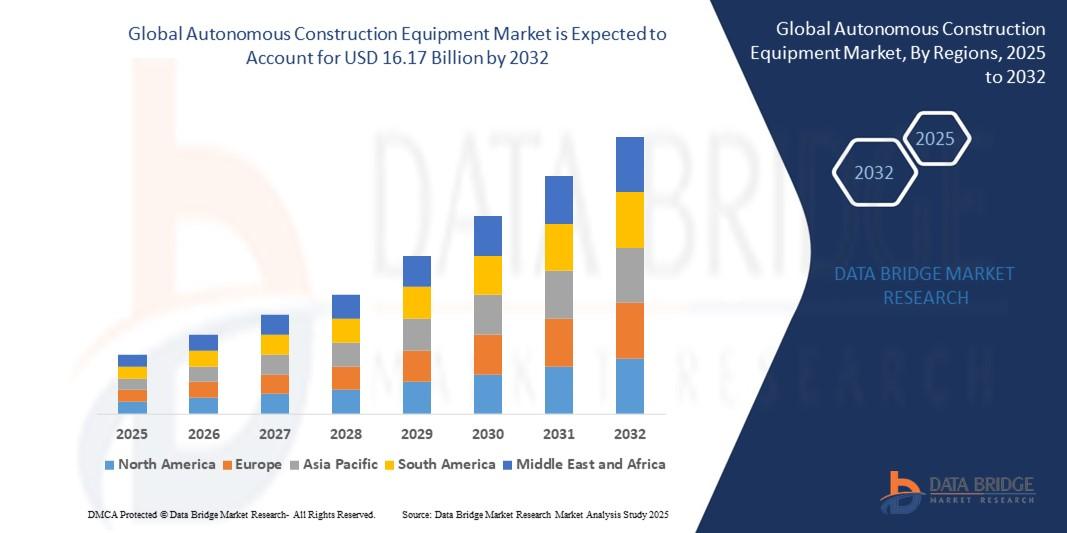
"Executive Summary Autonomous Construction Equipment Market: Share, Size & Strategic Insights The global autonomous construction equipment market size was valued at USD 7.27 billion in 2024 and is expected to reach USD 16.17 billion by 2032, at a CAGR of 10.51% during the forecast period Autonomous Construction Equipment Market research report works best...
Dental Infection Control Market Summary “The global Dental Infection Control Market is expected to reach to USD 3.9 billion by 2032, growing at a CAGR of 15.5% during 2025 to 2032” The TrendBridge Insights Research report, “Global Dental Infection Control Market Report 2025 – Future Opportunities, Latest Trends, In-depth Analysis, and Forecast To 2032”,...

"Executive Summary Cobalt Market Size and Share Forecast By considering a definite base year and historic year, calculations in the Cobalt report have been carried out, which interprets the market performance by providing information about what the market definition, classifications, applications, and engagements are. Cobalt report also offers information about consumers’...
Confined Space Safety: How Entry Permits Turn Risk into Control From the outside, confined spaces such as tanks, silos, pits, vaults, and manholes rarely appear threatening. They are often quiet and still, creating a sense of normalcy that suggests the work inside is predictable and safe. However, that perception can be misleading. The moment someone enters, the environment can change...
"Executive Summary Electrolyte Hydration Drinks Market Size and Share Analysis Report The global electrolyte hydration drinks market size was valued at USD 1.86 billion in 2024 and is expected to reach USD 3.52 billion by 2032, at a CAGR of 8.30% during the forecast period the Electrolyte Hydration Drinks Market analysis report, the strength and weakness...
