 IA-dbc
How to Analyze Legends, GOAT Talks, and Lasting Impact Without Bias

Debates about greatness rarely stay simple. You hear strong opinions, shifting criteria, and comparisons across eras that don’t fully match. It’s understandable. When people discuss legends, they’re not just comparing performance—they’re interpreting meaning.
An analytical approach helps you slow that down. It gives you a way to evaluate claims, weigh evidence, and recognize where conclusions may stretch beyond what the data can support.
What Defines a “Legend” in Measurable Terms
A legend isn’t just someone with standout moments. In most analytical frameworks, the label tends to reflect sustained excellence, influence on outcomes, and recognition by credible institutions.
According to research from the MIT Sloan Sports Analytics Conference, long-term performance consistency often correlates more strongly with perceived greatness than isolated peak seasons. That doesn’t settle the debate, but it does suggest patterns.
Consistency matters most.
Short peaks rarely define legacy.
You can think of a legend as someone who maintains high-level output while shaping expectations for others in the same role. That combination—performance plus influence—appears repeatedly across case studies.
Why GOAT Conversations Become Complex
GOAT (Greatest of All Time) discussions introduce a harder question: how do you compare across different contexts?
You’re not just comparing individuals.
You’re comparing environments too.
Rule changes, training methods, competition depth, and even scheduling structures vary over time. According to the Journal of Quantitative Analysis in Sports, era adjustments can significantly alter how performance metrics rank individuals when normalized.
This is where many debates lose clarity. Without a shared baseline, conclusions often depend on which variables someone prioritizes. That’s why a structured legend debate context can help keep comparisons grounded in consistent criteria.
Key Metrics Analysts Commonly Use
No single metric settles a GOAT argument. Instead, analysts tend to combine several categories to build a fuller picture.
Longevity and Durability
How long did the individual perform at a high level? Sustained relevance often signals adaptability and resilience.
Peak Performance
What was their best period, and how dominant were they relative to peers? Peak value helps capture ceiling potential.
Efficiency and Impact
Metrics that measure contribution per opportunity—rather than raw totals—often reveal deeper insights. According to research published by FiveThirtyEight, efficiency-based stats can sometimes predict team success better than volume-based ones.
Contextual Dominance
How far ahead was the individual compared to their competition? This helps adjust for era differences without ignoring them entirely.
Each metric has limits.
Together, they offer balance.
The Role of Era Adjustment in Fair Comparisons
Era adjustment is one of the most debated tools in analysis. It attempts to normalize performance across different time periods by accounting for changes in pace, rules, and competition levels.
It’s useful, but imperfect.
Assumptions shape outcomes.
For example, faster-paced eras often inflate counting statistics, while slower eras may emphasize efficiency. According to data from Basketball Reference and similar statistical archives, adjusting for pace can significantly reorder rankings.
However, adjustments rely on models. Those models reflect choices—what to include, what to ignore, and how to weigh variables. That means results should be interpreted cautiously, not treated as absolute conclusions.
Influence Beyond Numbers: Cultural and Strategic Impact
Not everything important shows up in a stat line. Some individuals reshape how the game is played, how teams are built, or how audiences engage.
Influence is harder to quantify.
But it’s still observable.
Scholarly work from the International Journal of Sports Science highlights how certain figures accelerate tactical evolution. Their presence forces opponents to adapt, which can ripple through entire leagues.
There’s also the audience dimension. A figure’s appeal to the consumer base—how they draw attention, shift narratives, or expand interest—can amplify their perceived legacy. This doesn’t replace performance metrics, but it adds another layer to the evaluation.
Biases That Distort GOAT Debates
Even data-driven discussions aren’t free from bias. Recognizing these patterns can improve your analysis.
Recency Bias
Recent performances often feel more relevant, even if long-term data suggests otherwise.
Nostalgia Bias
Older eras may be idealized, especially when data is less complete or harder to contextualize.
Confirmation Bias
People tend to select metrics that support their preferred conclusion rather than testing multiple perspectives.
Bias is subtle.
But it shapes outcomes.
Analysts try to counter this by using standardized frameworks and transparent assumptions.
Case-Based Comparison Frameworks
Instead of arguing broadly, analysts often compare individuals using structured frameworks.
Start with aligned criteria:
- Define which metrics matter most.
- Apply them consistently across subjects.
- Adjust for context where possible.
Then evaluate results in layers.
Numbers first, interpretation second.
For example, comparing longevity without considering peak dominance can skew conclusions. Likewise, focusing only on peak performance may overlook sustained contribution.
Frameworks don’t eliminate disagreement, but they make reasoning clearer.
What Lasting Impact Actually Looks Like
Lasting impact tends to emerge when performance, influence, and recognition align over time.
It’s not immediate.
It builds gradually.
Hall of fame selections, historical rankings, and academic studies often converge on similar names—not because of consensus alone, but because multiple criteria point in the same direction.
According to longitudinal studies referenced by the Sports Analytics Research Group, individuals who rank highly across diverse metrics are more likely to maintain their status in future evaluations.
That stability is a key signal. It suggests that the legacy isn’t dependent on one narrative or one dataset.
A Practical Way to Approach the Debate
If you want to engage in GOAT discussions more effectively, start with a simple process.
Define your criteria first.
Then test your assumptions.
Ask yourself:
- Which metrics matter most, and why?
- How do you account for era differences?
- What role does influence play in your evaluation?
Write those answers down before comparing individuals. It helps reduce bias and keeps your reasoning consistent.
Then revisit your conclusions.
See if they still hold.
That iterative approach won’t end debates—but it will make your perspective more grounded, transparent, and defensible.
Categorieën
Read More
Latest Insights on Executive Summary Extruders Market Share and Size CAGR Value The global extruders market size was valued at USD 11.44 billion in 2024 and is expected to reach USD 17.09 billion by 2032, at a CAGR of 5.15% during the forecast period The market growth is largely fuelled by the increasing demand for advanced manufacturing processes in...

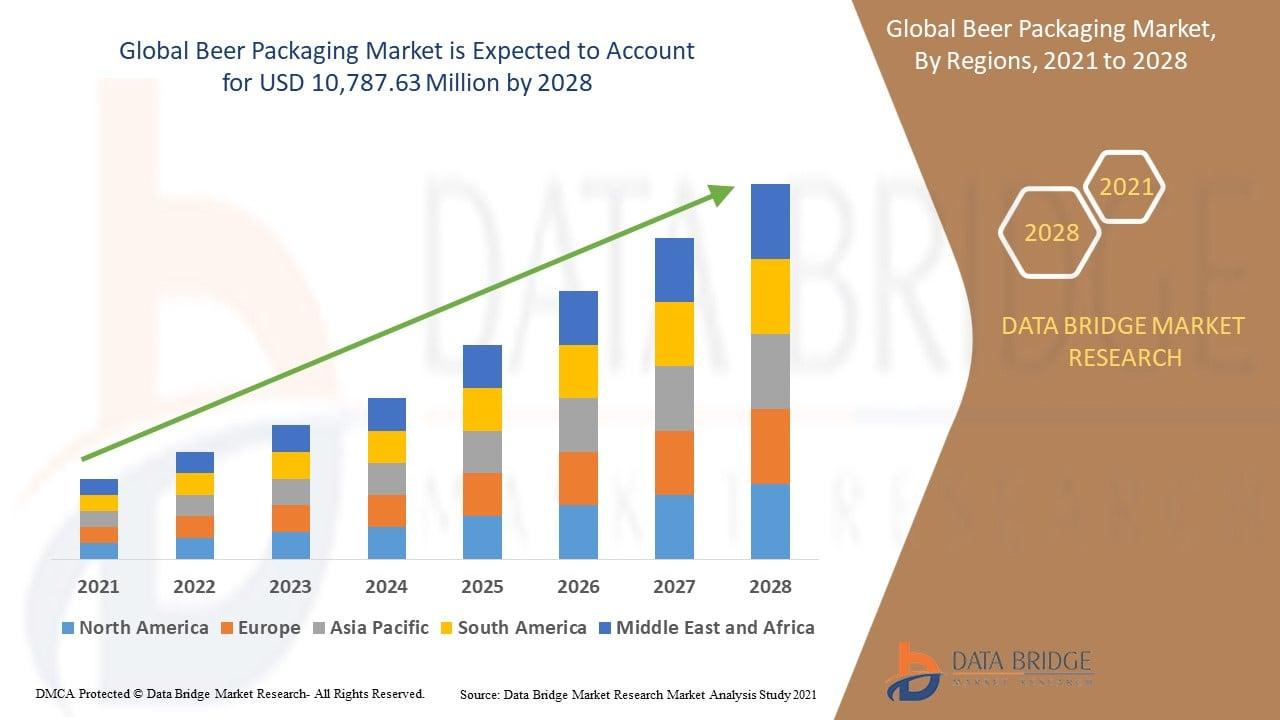
Executive Summary Beer Packaging Market Size and Share Forecast The beer packaging market size was valued at USD 9.54 billion in 2024 and is projected to reach USD 12.18 billion by 2032, with a CAGR of 3.10% during the forecast period of 2025 to 2032. All the data and information involved in this Beer Packaging report has been represented very well in the form of graphs, charts, or...
Market Overview The Europe Nondestructive Testing (NDT) Services and Equipment Market covers a wide range of inspection solutions used to evaluate the condition and integrity of materials, components, and systems without causing damage. NDT plays a critical role in industries including aerospace, automotive, energy & power, manufacturing, oil & gas, and construction. The...
Women with overly large breasts often face unique challenges when maintaining an active lifestyle. High-impact activities such as running, jumping, cycling, or strength training can cause discomfort, pain, and strain on the back, neck, and shoulders. Large breasts may also restrict movement, reduce exercise efficiency, and limit clothing choices suitable for fitness. By choosing Breast...

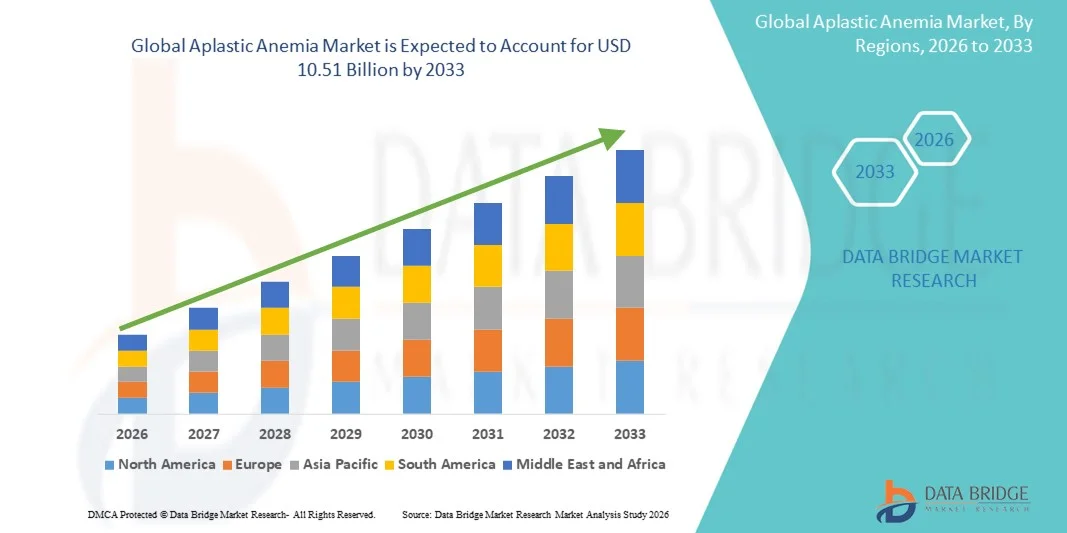
"Executive Summary Aplastic Anemia Market Size and Share: Global Industry Snapshot The global aplastic anemia market size was valued at USD 7.12 billion in 2025 and is expected to reach USD 10.51 billion by 2033, at a CAGR of 5.00% during the forecast period The Aplastic Anemia report is an ultimate solution for businesses if they want to stay ahead of...