 IA-dbc
Key Industries Served by Contracting and Trading Companies in Qatar
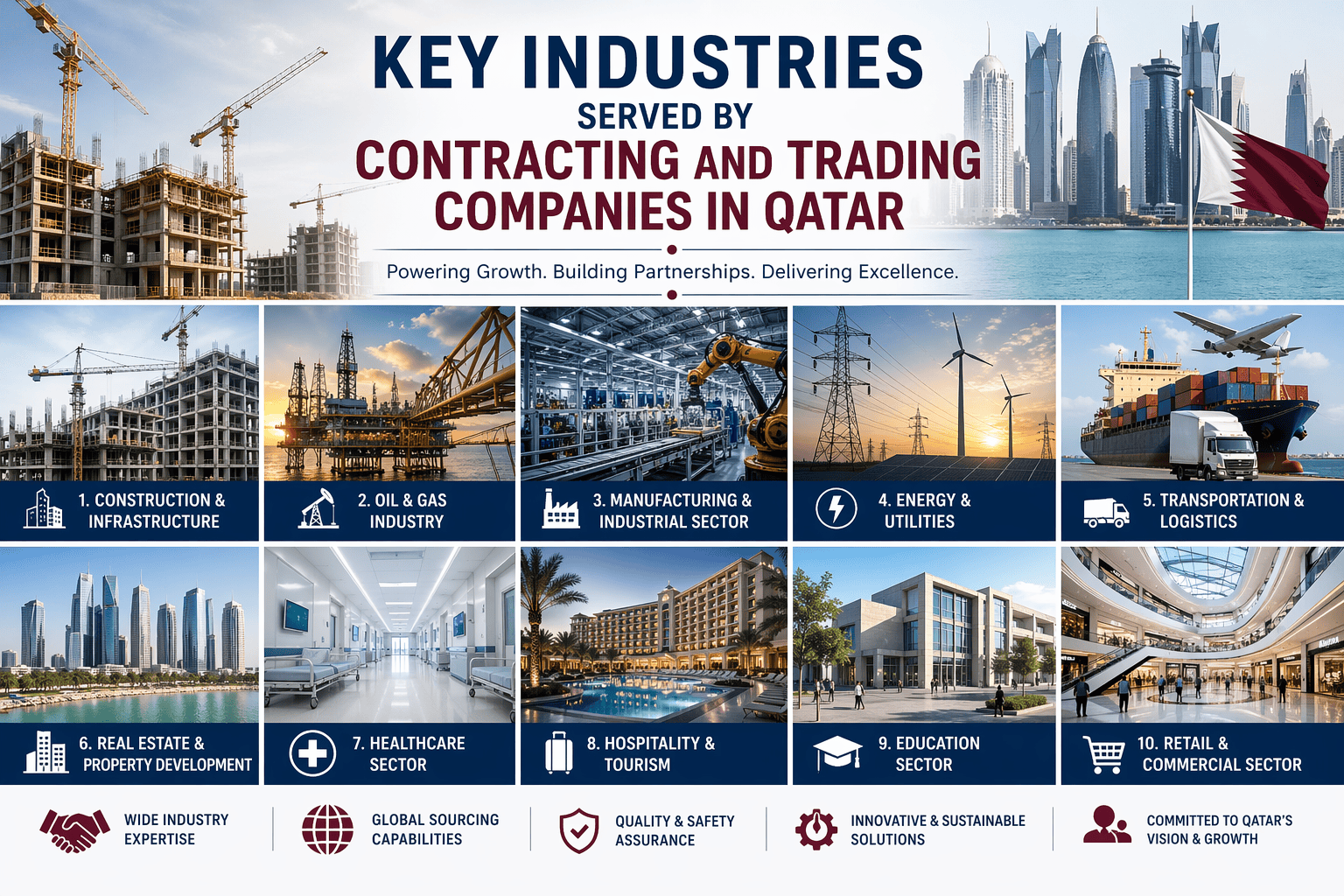
Qatar’s rapid economic growth over the past two decades has transformed it into one of the most dynamic markets in the Middle East. At the center of this development are contracting and trading companies, which play a crucial role in supporting infrastructure, supplying materials, and enabling business operations across multiple sectors. These companies act as the backbone of Qatar’s industrial and commercial ecosystem, bridging the gap between global suppliers and local demand.
This article explores the key industries served by contracting and trading companies in Qatar and highlights how they contribute to the nation’s ongoing development.
1. Construction and Infrastructure
The construction sector is arguably the largest and most influential industry served by contracting and trading companies in Qatar. From skyscrapers in Doha to highways, bridges, and stadiums, contracting firms handle everything from design and engineering to execution and maintenance.
Trading companies, on the other hand, ensure a steady supply of essential materials such as cement, steel, glass, tiles, and heavy machinery. Without this seamless collaboration, large-scale projects would face delays and cost overruns.
Even after the completion of major global events, Qatar continues to invest heavily in infrastructure, including smart cities, transportation networks, and urban expansion. This sustained demand keeps contracting and trading companies deeply integrated into the sector.
2. Oil and Gas Industry
Qatar is one of the world’s leading producers of natural gas, making the oil and gas sector a cornerstone of its economy. Contracting companies provide specialized services such as pipeline construction, facility maintenance, offshore installations, and engineering support.
Trading companies play an equally vital role by supplying equipment, spare parts, safety gear, and industrial chemicals required for exploration and production activities. These supplies must meet strict international standards, making reliability and quality critical factors.
The complexity and scale of oil and gas projects create continuous opportunities for contracting and trading firms, especially those with technical expertise and global sourcing capabilities.
3. Manufacturing and Industrial Sector
Qatar’s push toward economic diversification has led to significant growth in manufacturing and industrial activities. Industries such as petrochemicals, steel production, food processing, and construction materials rely heavily on contracting and trading companies.
Contractors are involved in building factories, installing machinery, and maintaining production facilities. Meanwhile, trading companies source raw materials, spare parts, and specialized equipment from international markets.
As Qatar aims to strengthen its local production capabilities, the demand for reliable contracting and trading partners in this sector continues to rise.
4. Energy and Utilities
Beyond oil and gas, Qatar is also investing in power generation, water treatment, and renewable energy projects. Contracting companies are responsible for constructing power plants, desalination facilities, and utility infrastructure.
Trading companies support these projects by supplying turbines, electrical components, cables, transformers, and water treatment systems. With growing interest in sustainability, there is also increasing demand for energy-efficient technologies and renewable solutions.
This sector offers long-term opportunities, especially as Qatar focuses on improving energy efficiency and environmental sustainability.
5. Transportation and Logistics
Qatar’s strategic location has made it a hub for transportation and logistics in the region. Major developments in ports, airports, railways, and road networks have created strong demand for contracting services.
Contracting companies build and maintain transportation infrastructure, while trading companies supply vehicles, spare parts, fuel systems, and logistics equipment. Additionally, warehouses and distribution centers rely on these firms for construction and operational support.
As trade volumes grow and logistics networks expand, contracting and trading companies remain essential to keeping goods moving efficiently.
6. Real Estate and Property Development
The real estate sector in Qatar has seen significant expansion, driven by population growth, foreign investment, and tourism. Residential complexes, commercial buildings, hotels, and mixed-use developments all depend on contracting companies for construction and finishing work.
Trading companies contribute by supplying interior materials, fixtures, furniture, and building systems. From luxury apartments to office towers, every project requires a wide range of products sourced both locally and internationally.
The continued demand for high-quality living and working spaces ensures that contracting and trading companies remain deeply involved in this sector.
7. Healthcare Sector
Healthcare is another critical industry supported by contracting and trading companies in Qatar. The government has invested heavily in hospitals, clinics, and medical research facilities to provide world-class healthcare services.
Contracting companies are responsible for constructing healthcare facilities that meet strict safety and regulatory standards. Trading companies supply medical equipment, diagnostic tools, hospital furniture, and pharmaceutical products.
The growing focus on healthcare infrastructure, especially after global health challenges, has further increased the importance of these companies in the sector.
8. Hospitality and Tourism
Qatar’s ambition to become a global tourism destination has led to rapid growth in the hospitality sector. Hotels, resorts, restaurants, and entertainment venues require extensive construction, renovation, and maintenance services.
Contracting companies handle the development of these properties, while trading companies provide furnishings, kitchen equipment, lighting, and decor materials.
With ongoing efforts to attract international visitors, the hospitality industry continues to create opportunities for contracting and trading businesses.
9. Education Sector
Education is a key pillar of Qatar’s long-term development strategy. Schools, universities, and research institutions require modern infrastructure and advanced facilities.
Contracting companies are involved in building educational campuses, laboratories, and student accommodations. Trading companies supply classroom equipment, IT systems, laboratory tools, and educational materials.
As Qatar continues to invest in knowledge-based industries, the role of contracting and trading companies in education will only grow stronger.
10. Retail and Commercial Sector
The retail and commercial sector in Qatar includes shopping malls, supermarkets, office spaces, and business centers. Contracting companies play a role in constructing and renovating these spaces, ensuring they meet modern design and functionality standards.
Trading companies support retail businesses by supplying products, shelving systems, refrigeration units, and point-of-sale equipment. They also facilitate the import of goods from global markets, ensuring a diverse range of products for consumers.
This sector thrives on efficiency, making reliable contracting and trading partnerships essential.
Conclusion
Contracting and trading companies in Qatar are not limited to a single industry—they serve as vital enablers across a wide range of sectors, from construction and oil and gas to healthcare, education, and tourism. Their ability to provide both services and supplies makes them indispensable to the country’s economic ecosystem.
As Qatar continues to diversify its economy and invest in sustainable development, the demand for professional, reliable, and innovative contracting and trading companies will only increase. Businesses that can adapt to changing market needs, embrace new technologies, and maintain high standards of quality will be well-positioned to succeed in this evolving landscape.
Categorieën
Read More
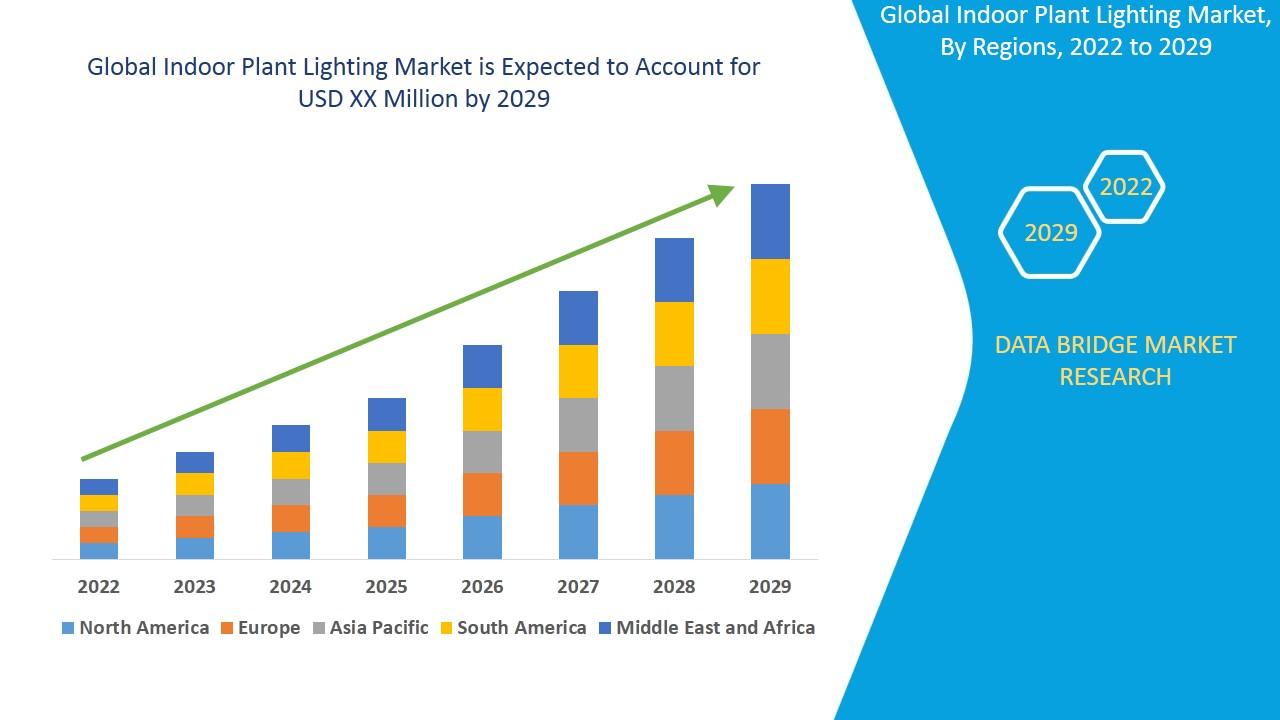
"Executive Summary Indoor Plant Lighting Market Size and Share Forecast The indoor plant lighting market is expected to witness market growth at a rate of 9.4% in the forecast period of 2022 to 2029. The Indoor Plant Lighting report also makes available CAGR value fluctuation during the forecast period of 2018-2025 for the market. The Indoor Plant Lighting report also brings into...
How Structured EHS Audits Transform Safety from Guesswork to Accountability When safety teams spend most of their energy reacting—investigating incidents, rushing to complete reports, and correcting issues after damage has already occurred—it points to a deeper weakness. The problem rarely lies with individuals alone. Instead, it reflects a system that isn’t designed to...

"Executive Summary Self-Healing Hydrogels Market Market Research: Share and Size Intelligence The global self-healing hydrogels market size was valued at USD 246.20 Million in 2024 and is expected to reach USD 410.53 Million by 2032, at a CAGR of 6.60% during the forecast periodThe market growth is largely fueled by increasing research and development in biomedical applications, drug...
"Executive Summary Valves, Actuators and Positioners Market Market Research: Share and Size Intelligence CAGR Value Data Bridge Market Research analyses that the valves, actuators and positioners market which was USD 1,600 million in 2022, would rocket up to USD 2,300 million by 2030 and is expected to undergo a CAGR of 8.3% during the forecast period This Valves, Actuators and...
The Smart Medical Mattress Market is rapidly transforming the healthcare landscape, driven by technological innovation and the growing need for advanced patient care solutions. These mattresses, integrated with sensors, pressure redistribution systems, and real-time monitoring capabilities, are becoming essential in hospitals, long-term care facilities, and home healthcare settings....