 IA-dbc
How Long Does Corrugated Plastic Roofing Last
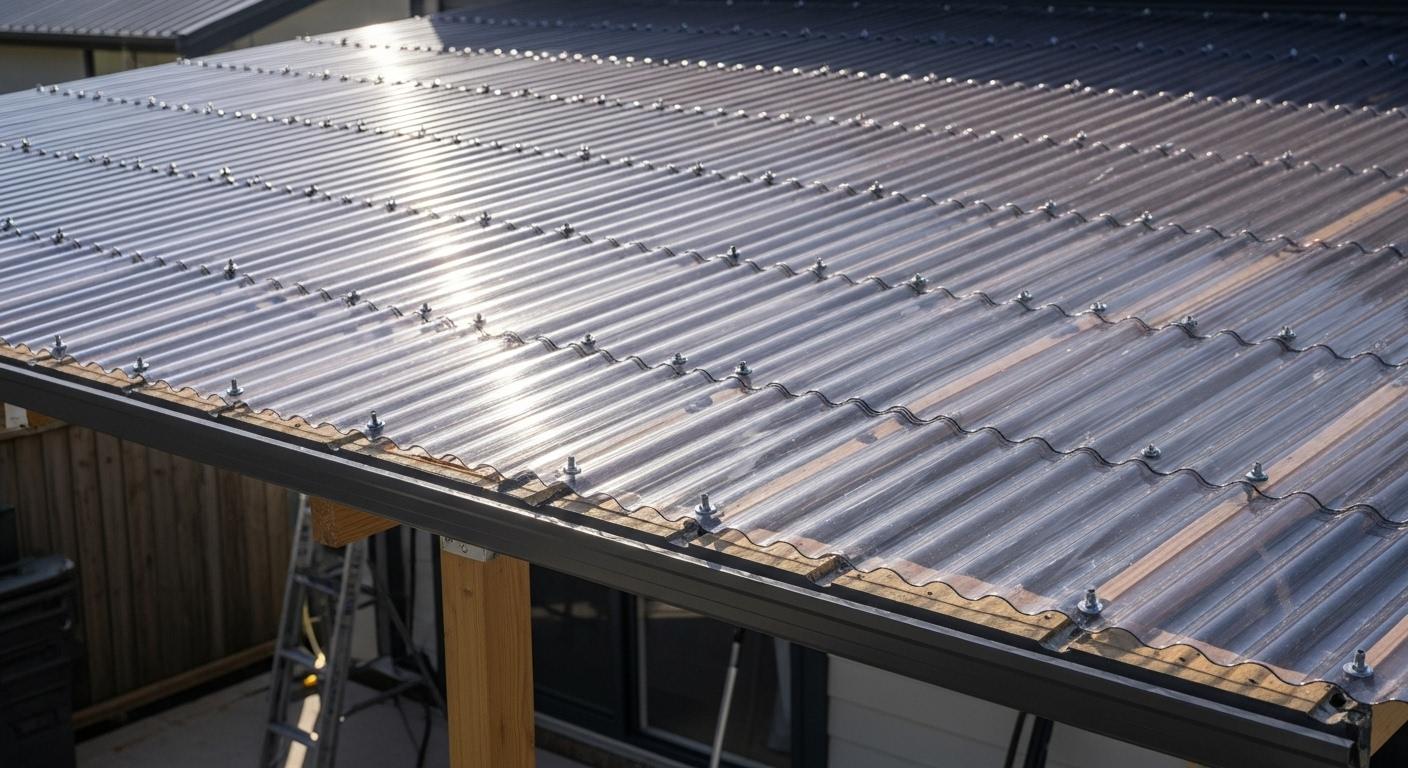
In the United States, corrugated plastic roofing is one of the most common choices for patio covers, tool sheds, garages, greenhouses, and even some small commercial projects. Being light in weight, cheap, and highly adaptable are some of the features that make it a favorite among homeowners and contractors. Generally, corrugated plastic roofing can last between 5 and 30 years, depending on the type of material used, environmental conditions, and the level of maintenance.
When you are about to start a new construction or change the roofing, it is crucial to know how long your corrugated plastic roofing will last. You can then plan your finances accordingly and also be assured that the roof will serve you well for a long time.
What Is Corrugated Plastic Roofing Made Of?
Many kinds of materials make up corrugated plastic roofing, and each one of them has its own different characteristics and longevity. Polyvinyl chloride (PVC), polycarbonate, polypropylene, and multiwall polycarbonate sheets are among the leading materials in the U.S. market. Besides the price, these materials vary in strength and degree of resistance to UV.
In most residential construction projects, a construction material takeoff is carried out by either a homeowner or a builder at the beginning of the planning phase. This is in order to establish the number of sheets, fasteners, and other accessories that will be required. If the project's material requirements are figured out correctly, it is possible to keep within the budget and avoid buying stuff that won't be used.
Different Types of Corrugated Plastic Roofing
1. PVC Sheets
Polyvinyl chloride (PVC) sheets are among the least expensive plastic roofing materials available in the market. They are also very lightweight and easy to handle. Besides that, their use is limited to small constructions such as a garden shed or a patio cover. In general, PVC sheets have a lifespan of between 5 and 15 years, depending largely on factors such as duration of exposure to sunlight and other harsh weather conditions.
2. Polycarbonate Sheets
Polycarbonate is a tougher material that can absorb shocks well and also offers better protection against UV rays. Regular polycarbonate sheets come with a service life of between 10 and 25 years. When you purchase premium quality polycarbonate sheets with extra UV stabilizer, you can count on them being able to handle extreme weather, making such a choice perfect for states with a lot of sunshine, like Arizona or Florida.
3. Multiwall Polycarbonate Sheets
Keeping durability and insulation in mind, multiwall polycarbonate sheets have been manufactured. By having several layers, they not only become stronger but also more thermally efficient. Their life expectancy might even be up to 30 years or more. They are made to be used in a greenhouse or any structure where one prays for maximum light transmittance, as well as good insulation at the same time.
4. Polypropylene Sheets
Polypropylene sheets are low-cost and lightweight but less durable than polycarbonate. They generally last 5 to 12 years and are best used in temporary structures or low-exposure areas.
Factors Affecting Lifespan
Several factors influence how long corrugated plastic roofing will last in real-world conditions.
|
Factor |
Impact on Lifespan |
|
Material Quality |
Higher-grade sheets last longer; low-grade PVC may crack or fade quickly. |
|
Sheet Thickness |
Thicker sheets resist impact, bending, and warping. |
|
UV Exposure |
Prolonged sunlight exposure can degrade plastic; UV-protected sheets perform better. |
|
Climate |
Extreme heat, snow, hail, and temperature fluctuations affect durability. |
|
Installation |
Poor installation can lead to leaks, cracking, or premature wear. |
|
Maintenance |
Regular cleaning and inspection can extend the life of the roofing. |
|
Environmental Factors |
Coastal salt air, debris, and pollution may accelerate deterioration. |
Understanding these factors allows homeowners to choose materials that suit their local environment and ensure longevity.
Expected Lifespan In The U.S.
Corrugated plastic roofing in the U.S. can have significantly different lifespans depending on the region and material choice.
|
Material |
Typical Lifespan |
Best Use Cases |
|
PVC Sheets |
5–15 years |
Sheds, temporary structures, patios |
|
Standard Polycarbonate |
10–25 years |
Patios, garages, carports |
|
Multiwall Polycarbonate |
15–30+ years |
Greenhouses, covered walkways, and insulated structures |
|
Polypropylene |
5–12 years |
Low-exposure areas, temporary roofing |
UV-stabilized polycarbonate is a great choice if you live in the Southwest or any other place where the sun is very intense. At the same time, PVC can work well enough in the cooler or milder regions for small projects.
Tips to Maximize Lifespan
To get the most out of the life of your corrugated plastic roofing, you need to carefully plan and maintain the roof regularly:
-
Picking UV-Protected Sheets: UV-stabilized sheets stay in color and are less prone to cracking and becoming brittle.
-
Setting Up Proper Ventilation: Good ventilation keeps the heat from building up under the roof, which can warp plastic sheets can get warped from the heat.
-
Perform Annual Inspections: Look for cracks, check if the fasteners are tight, and see if there are spots where water may accumulate.
-
Cleaning the Roof: Stay away from abrasive cleaners; choose mild soap and water and use a soft brush.
-
Debris Removal: Make sure to clear leaves, twigs, dirt, etc., as these can scratch the surfaces and hold moisture.
The right fitting and care can sometimes give a plastic roofing system a couple of years' life extension over its lifespan.
Environmental Considerations
Compared with metals or asphalt shingles, corrugated plastic roofing is a low-impact building material both in terms of its weight and the environment. Most polycarbonate sheets nowadays come with recycling features, and their multiwall structures increase the thermal insulation of buildings like greenhouses or sunrooms.
What is more, local homeowners and DIY builders in the U.S. are gradually turning to materials that have both the qualities of strength and sustainability. The use of high-quality plastic sheets is a step towards the conservation of the environment by the reduction of waste and the frequent need for replacement.
Table: Comparing Plastic Roofing Materials
|
Property |
PVC |
Polycarbonate |
Multiwall Polycarbonate |
Polypropylene |
|
Lifespan |
5–15 years |
10–25 years |
15–30+ years |
5–12 years |
|
UV Resistance |
Low |
Moderate |
High |
Low |
|
Insulation |
Low |
Moderate |
High |
Low |
|
Cost |
Low |
Medium |
High |
Low |
|
Weight |
Light |
Light |
Moderate |
Light |
|
Impact Resistance |
Low |
High |
Very High |
Low |
This chart assists American homeowners in making informed choices according to their budget, climate, and the way they plan to use the property.
Conclusion
Corrugated plastic roofs are a very practical choice of domestic roof covering in the United States if one is looking for a lightweight, cheap, and multifunctional shelter, supported by precise roof estimates for accurate planning and budgeting. The material life can be anywhere from 5 to 30+ years; however, if you choose the right material, do an accurate construction material takeoff, and maintain the roof regularly, you can lengthen the roof's longevity quite greatly.
There is a suitable choice for pretty much every climate and application, ranging from inexpensive PVC for temporary shelters to premium multiwall polycarbonate for long-term projects. By grasping the influences UV exposure, climate conditions, and maintenance have on the materials, you will be able to make well-informed decisions that save your money and improve the performance of your roofing.
FAQs
Q1: Can Corrugated Plastic Roofing Be Painted?
Only if they are compatible paints. Painting can lower the UV protection of the sheet, so it is usually not advised.
Q2: Does Snow Shorten The Life Of Plastic Roofing?
A: Heavy snow can cause stress to the thinner sheets. However, thicker polycarbonate or reinforced sheets will have a better performance in areas with snow.
Q3: Do Products Have U.S. Warranties?
A: Yes, several manufacturers provide warranties ranging from 10 to 25 years. Such warranties are often pro-rated and dependent upon the level of exposure and quality of installation.
Q4: When Is It Time To Replace The Sheets?
A: Sheets should be replaced if there are signs of brittleness, cracking, discoloration, leaks, or warping.
Q5: Is Corrugated Plastic Roofing Environmentally Friendly?
A: Most sheets are recyclable, and multi-wall polycarbonate can raise the energy efficiency of buildings such as greenhouses.
Categorias
Leia mais
"Executive Summary Middle East and Africa Power Tools Market Size and Share Across Top Segments Middle East and Africa power tools market was valued at USD 3721.31 million in 2021 and is expected to reach USD 5307.17 million by 2029, registering a CAGR of 6.10% during the forecast period of 2022-2029. Drilling and Fastening Tools accounts for the largest type segment in the end use...

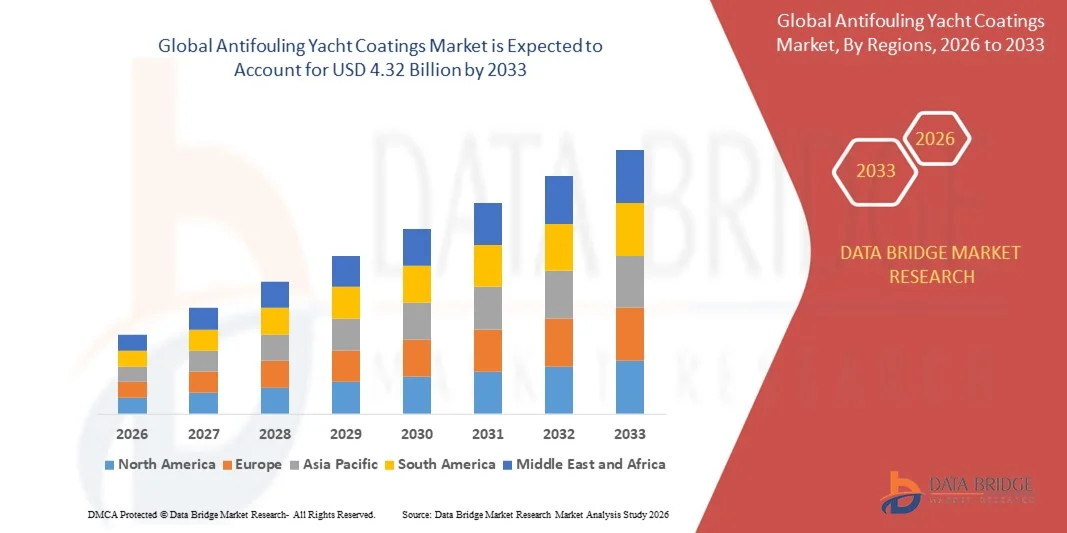
"Antifouling Yacht Coatings Market Summary: According to the latest report published by Data Bridge Market Research, the Antifouling Yacht Coatings Market CAGR Value The global antifouling yacht coatings market size was valued at USD 2.72 billion in 2025 and is expected to reach USD 4.32 billion by 2033, at a CAGR of 5.95% during the forecast...
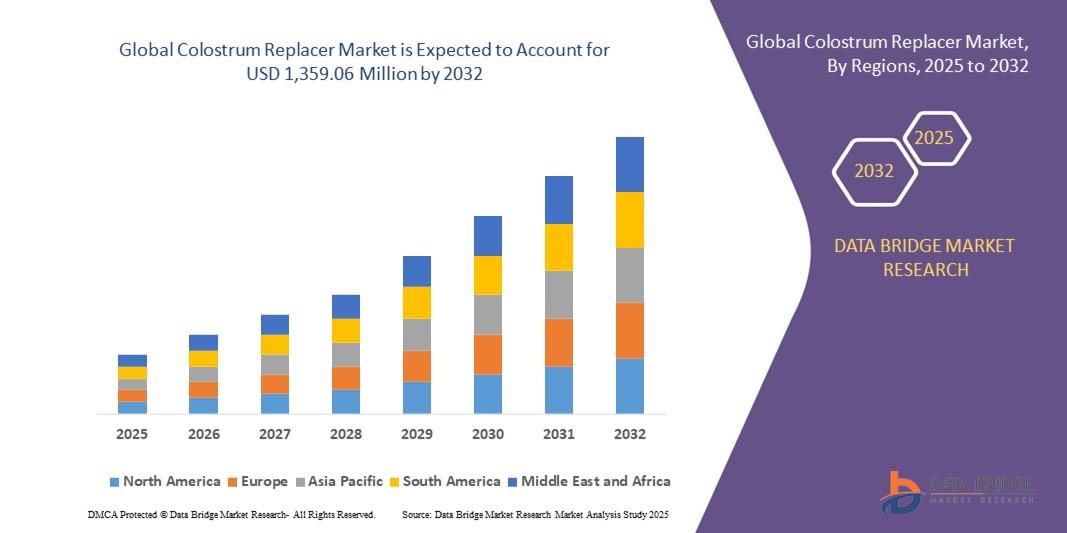
"Executive Summary Colostrum Replacer Market Size and Share Forecast The global colostrum replacer market size was valued at USD 885.56 million in 2024 and is expected to reach USD 1,359.06 million by 2032, at a CAGR of 5.50% during the forecast period The Colostrum Replacer Market report gives strength to the organization and makes better decisions for...
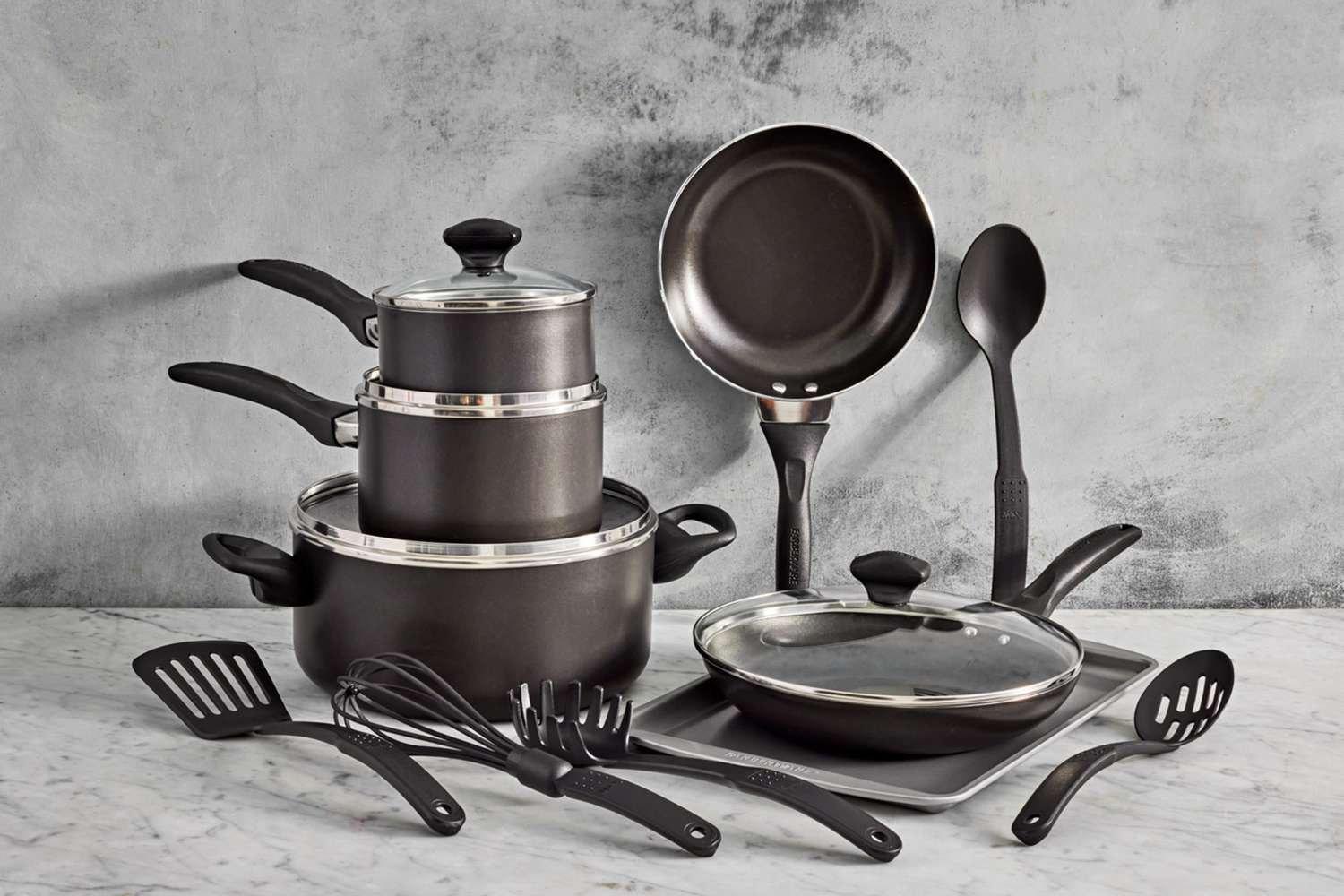
"India Non-Stick Cookware Market Summary: According to the latest report published by Data Bridge market Research, the India Non-Stick Cookware market The India non-stick cookware market size was valued at USD 792.64 million in 2024 and is expected to reach USD 1,311.82 million by 2032, at a CAGR of 6.50% during the forecast period. The data, information,...
In-Depth Study on Executive Summary Acromegaly Market Size and Share Global acromegaly market size was valued at USD 1.90 billion in 2024 and is projected to reach USD 3.52 billion by 2032, with a CAGR of 8.00% during the forecast period of 2025 to 2032. Acromegaly Market research report contains a key data about the market, emerging trends, product usage, motivating factors...