 IA-dbc
Hair Transplant for Thinning Hair: Early Intervention
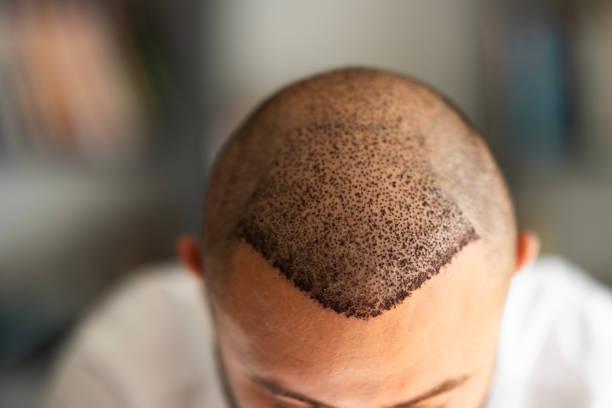
Thinning hair sneaks up quietly, turning vibrant locks into sparse strands that sap confidence. Whether it's genetic, stress-induced, or hormonal, early signs like widening parts or receding hairlines demand attention. Ignoring them leads to advanced baldness, but catching it early opens doors to effective restoration. Best Hair Transplant in Riyadh(افضل زراعة شعر في الرياض) Imagine reclaiming that full, youthful mane—it's not just vanity; it's about feeling unstoppable. This guide dives into why hair transplant shines as a game-changer for thinning hair, blending science, strategy, and real results to keep you hooked.
Why Early Intervention Matters Most
Spotting thinning hair early isn't just smart—it's transformative. At the first wisps of loss, follicles are still viable, making restoration smoother and more natural. Delaying means weaker donor areas and patchier outcomes. Hair Transplant in Riyadh emerges as a beacon for those seeking precision in this bustling hub of modern care. Boldly tackling root causes, it restores density before thinning escalates. Think of it as hitting the brakes on a runaway train—early action preserves what you have while building back better, with results that turn heads and boost self-esteem.
How Hair Transplant Works for Thinning Hair
Hair transplant surgery harvests healthy follicles from donor zones—like the back of the scalp—and relocates them to thinning spots. Two stars dominate: FUE (Follicular Unit Extraction) for minimal scarring and FUT (Follicular Unit Transplantation) for maximum grafts. For thinning hair, surgeons artfully place grafts to mimic natural growth patterns, ensuring seamless blending. Picture tiny seeds sprouting into lush coverage—within months, new hairs emerge, thickening areas progressively. This targeted approach beats temporary fixes, delivering permanent, drug-free renewal that evolves with you.
Ideal Candidates for Early Hair Transplant
Not everyone rushes to surgery, but early thinners fit perfectly. If you're in your 20s-40s with stable patterns like androgenetic alopecia, you're prime. Stable donor hair, realistic expectations, and good health seal the deal. Women with diffuse thinning or men battling crowns also thrive. Early birds enjoy denser packs since follicles respond best pre-scarring. Engaging fact: Many report life-altering confidence spikes post-procedure, proving it's more mindset reset than mere makeover. Consult pros to map your unique blueprint for success.
Step-by-Step Hair Transplant Process
Kick off with a detailed scalp analysis to plot graft needs. Day one: Numb the area, extract follicles (1,000-4,000 typically), and implant with micro-tools for precision. It's outpatient—home by evening. Week one focuses on gentle healing; by month three, growth sparks. Full glory hits at 12 months, with 90% survival rates. Thrilling twist: Advanced tech like robotics amps accuracy, making it feel futuristic. Each phase builds excitement, turning patients into advocates with enviable before-and-after glow-ups.
Recovery Timeline and Tips for Optimal Results
Recovery captivates with its simplicity. Days 1-3: Mild swelling, ice it away. Week 1: Scabs shed, revealing pink skin. Month 1: "Shock loss" happens—old hairs shed for stronger ones. Pro tips? Sleep elevated, skip sweat-inducing workouts, and use gentle shampoos. Nutrition powers it—biotin-rich foods accelerate regrowth. Most resume work in days, loving the quick pivot to normalcy. The payoff? A thickening crown that whispers "effortless," keeping readers scrolling for more insider hacks.
Benefits Beyond Thicker Hair
Hair transplant isn't just cosmetic—it's empowering. Permanent results defy aging, unlike wigs or meds with side effects. Natural angles fool even stylists, boosting social swagger. Early intervention maximizes grafts, minimizing future touch-ups. Environmentally, it's sustainable—no endless products. Users rave about slashed anxiety, elevated careers, and reignited romances. Dive deeper: Studies show 85% satisfaction rates, making it a no-brainer for proactive thinners chasing that "just woke up like this" vibe.
Potential Risks and How to Mitigate Them
No procedure's perfect, but knowledge arms you. Temporary redness, itching, or rare infections top the list—all manageable with aftercare. Poor candidates risk unnatural looks, so vetting matters. Mitigation magic: Choose experienced hands, follow protocols, and monitor progress. Early timing slashes complications, as healthier scalps heal faster. Real talk keeps it real—99% navigate smoothly, emerging with crowning glory that outshines any hiccup.
Ready to take the first step toward reversing thinning hair? Book an appointment consultation clinic like 'Enfield Royal Riyadh(إنفيلد رويال الرياض)' for personalized advice tailored to your needs.
FAQs
Is hair transplant suitable for early-stage thinning hair?
Yes, early intervention yields the densest, most natural results since follicles are still robust.
How long until I see hair growth after transplant in Riyadh?
Initial shedding occurs at 2-4 weeks; visible thickening starts at 3-6 months, full results by year one.
Can women benefit from hair transplant for thinning?
Absolutely—tailored techniques restore diffuse patterns with feminine density and subtlety.
What's the difference between FUE and FUT for thinning hair?
FUE offers scar-free extraction; FUT maximizes grafts—ideal choice depends on your donor area.
Does hair transplant stop further thinning?
It restores lost areas permanently but pair with lifestyle tweaks to slow progression elsewhere.
Kategorien
Mehr lesen
"Future of Executive Summary Digital Health Market: Size and Share Dynamics Data Bridge Market Research analyses that the global digital health market which was USD 255.87 billion in 2022, is expected to reach USD 565.23 billion by 2030, and is expected to undergo a CAGR of 15.5% during the forecast period of 2023 to 2030. This Digital Health Market research report serves the determination...

Market Overview The Middle East and Africa Alkyd Resin Market refers to the production and use of alkyd resins — versatile synthetic polymers widely utilized in coatings, paints, adhesives, inks, and other industrial applications. Alkyd resins are known for their excellent gloss, adhesion, flexibility, and durability, making them essential components in architectural paints,...

"Future of Executive Summary Retort Pouches Market: Size and Share Dynamics The global retort pouches market size was valued at USD 5.83 billion in 2025 and is expected to reach USD 8.74 billion by 2033, at a CAGR of 5.18% during the forecast periodThe market growth is largely fuelled by the increasing demand for convenient, ready-to-eat, and shelf-stable food packaging solutions across...
Waterproof stainless steel padlocks are an ideal choice for providing reliable security in environments that are exposed to the elements. These locks combine the strength of stainless steel with waterproof properties, offering exceptional durability and resistance to corrosion. Enhanced Durability in Harsh Conditions Waterproof stainless steel padlocks are specifically designed to...
Building Safer, Smarter Organizations Through Effective HSE Practices In today’s fast-paced and highly regulated business landscape, managing Health, Safety, and Environment (HSE) responsibilities has become far more than a compliance exercise. Across sectors such as construction, manufacturing, oil and gas, and utilities, organizations are recognizing that strong HSE practices are...